
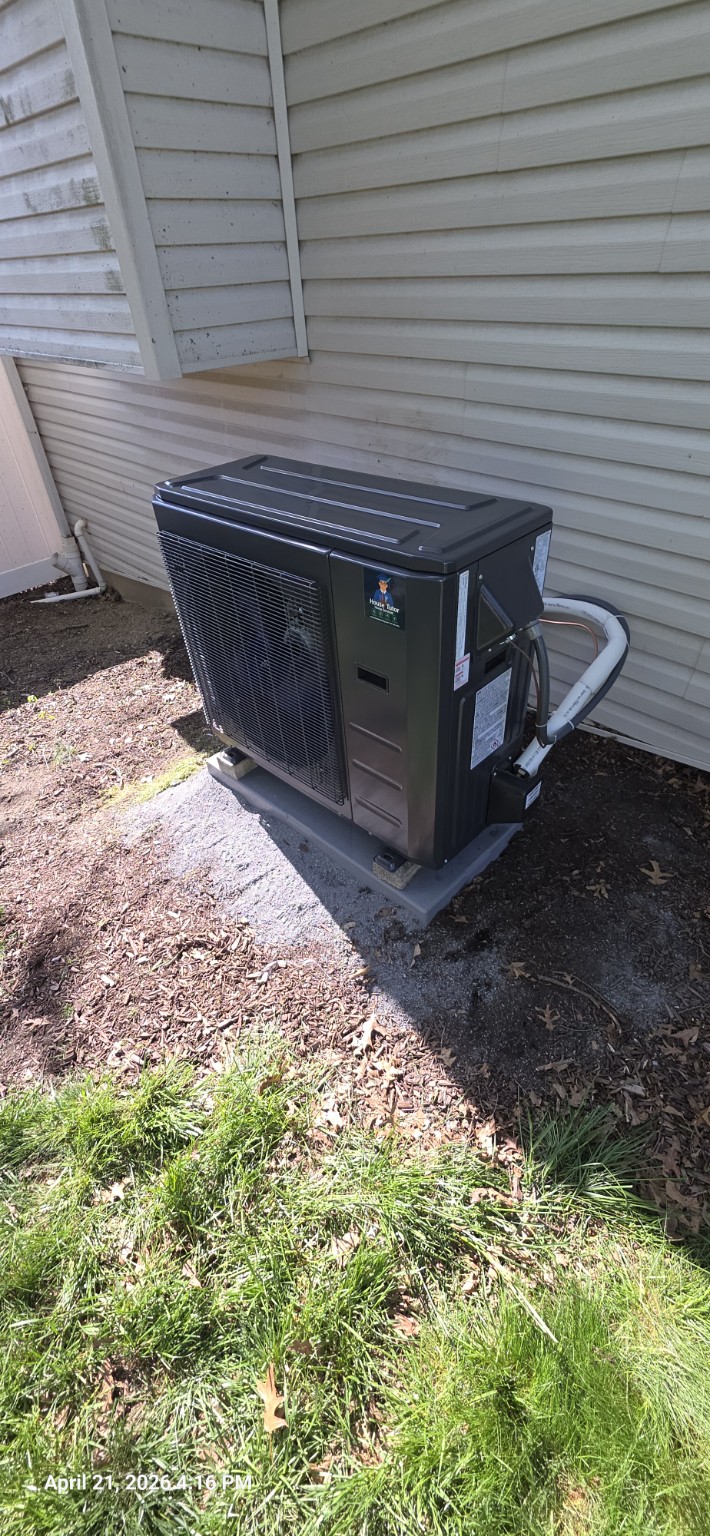
There is no universal winner between a heat pump and a furnace. The better choice depends on the home, available energy sources, electrical service, comfort expectations, and the condition of the existing system.

How a heat pump works
A heat pump moves heat rather than creating all of it at the point of use. It provides both heating and air conditioning. Modern cold-climate equipment can operate at low outdoor temperatures, while system selection and installation quality strongly affect performance.
How a furnace works
A furnace heats air using gas, oil, propane, or electric resistance and distributes it through ductwork. Fuel-burning furnaces can deliver warmer-feeling supply air, but they also require safe combustion, venting, and fuel delivery.
What about dual-fuel systems?
A dual-fuel setup combines a heat pump with a gas or propane furnace. Controls select the most appropriate heat source based on outdoor conditions, equipment capability, operating strategy, and homeowner preferences.
Five questions that shape the decision
A useful comparison begins with the home—not a sales brochure.
- Is natural gas, propane, oil, or only electricity available?
- Can the electrical service support the proposed equipment and backup heat?
- Are the ducts properly sized, sealed, and located?
- How well is the home insulated and air-sealed?
- What are the homeowner’s comfort, noise, budget, and future-planning priorities?
Operating cost is not one fixed number
Utility rates, weather, thermostat settings, backup-heat operation, efficiency, maintenance, and envelope performance all matter. Ask for assumptions behind any savings estimate rather than relying on a generic percentage.
Repairing an existing system may still be reasonable
A working furnace or heat pump does not automatically need replacement because another technology is available. Age, condition, repair history, comfort, efficiency, incentives, and long-term plans should be considered together.
Installation matters as much as the equipment label
Load calculation, ductwork, refrigerant charging, airflow, controls, condensate management, electrical work, and commissioning can determine whether a high-efficiency system actually performs well.
The House Tutor takeaway
House Tutor’s approach is to compare realistic choices for the specific home. Sometimes that is repairing the current system; sometimes it is a heat pump, a furnace, or a dual-fuel design.
This article provides general homeowner information. Equipment, homes, and conditions vary; it is not a substitute for an on-site safety evaluation.